

History is full of powerful examples of how the Church has played a central role in advocating for justice, equality, and human dignity. From the abolition of slavery to the civil rights movement, faith communities have often led the charge for social change, driven by the teachings of Scripture and a commitment to the inherent worth of every human being. Today, in a world increasingly divided by race, gender, politics, and socioeconomic status, the Church remains a powerful force for unity and justice.
The Church’s Historic Role in Social Justice
The Church has a rich history of involvement in social justice movements. In the early days of Christianity, believers were known for their countercultural commitment to equality and care for the marginalized. The Apostle Paul famously wrote in Galatians 3:28, “There is neither Jew nor Greek, slave nor free, male nor female, for you are all one in Christ Jesus.” This message of unity across social and racial divides was revolutionary and set a precedent for the Church’s involvement in justice.
In the 1950s and 1960s, Christian leaders like Martin Luther King Jr. rooted their calls for civil rights in biblical principles of justice and equality. Dr. King’s vision of the “beloved community” was inspired by Jesus’ teachings and aimed to create a society where everyone could live in harmony and dignity.
What the Bible Says About Justice and Equality
At the heart of the Bible’s message is the belief that all people are created in God’s image (Genesis 1:27). This foundational truth implies that every human life has intrinsic value and must be treated with dignity and respect. From the prophets of the Old Testament to the teachings of Jesus, the Scriptures consistently call for justice, especially for the poor, the oppressed, and the marginalized.
Isaiah 1:17 instructs us to “Learn to do good; seek justice, correct oppression; bring justice to the fatherless, plead the widow’s cause.” Similarly, Micah 6:8 reminds us that the Lord requires us to “act justly, love mercy, and walk humbly with our God.” These biblical mandates for justice are not limited to personal piety but extend to the broader social, political, and economic systems that govern our world.
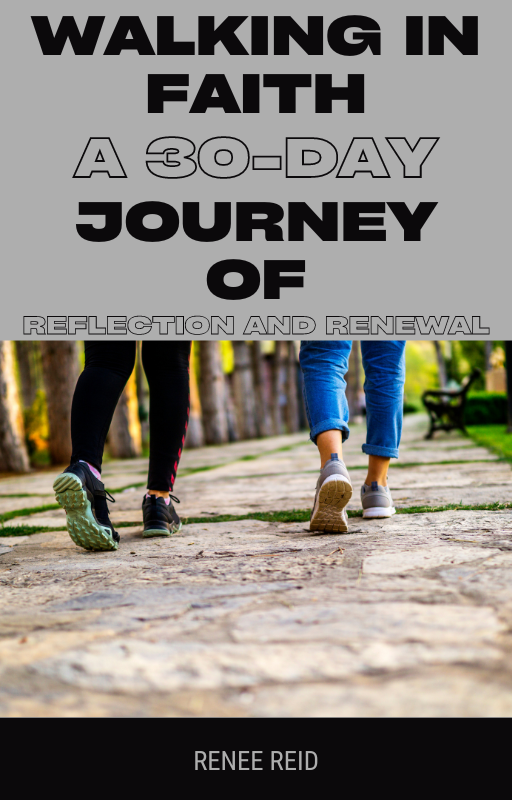
Are you a busy Christian woman yearning to deepen your connection with God but finding it challenging amidst the hustle and bustle of daily life? “Walking in Faith: A 30-Day Journey of Reflection and Renewal” is your answer—a transformative journal explicitly designed for women like you, addressing common pain points and providing a pathway to spiritual renewal. Unite your faith and your spiritual health! Download our new book Walking in Faith: A 30-Day Journey of Reflection and Renewal – this fillable journal includes scriptures, journal prompts, and a 30-day walking plan to help you get started.
Equality in a Divided World
In today’s volatile climate, it often feels like we are more divided than ever. Racial tensions, gender inequality, political polarization, and economic disparity can make unity seem impossible. However, I firmly believe that there is more that unites us than divides us. As human beings, we share typical desires for love, peace, safety, and justice. The Church can remind the world of this truth.
The Bible speaks to this in Ephesians 4:3, urging us to “Make every effort to keep the unity of the Spirit through the bond of peace.” As believers, we are called to be peacemakers and bridge-builders, actively working to heal divisions and promote reconciliation.
How the Church Can Unite in Today’s Climate
- Preach the Message of Unity
The Church must consistently proclaim that all people are equal in God’s eyes. By emphasizing our shared humanity and the image of God in each person, we can counteract the narratives of division that dominate our society. - Engage in Compassionate Dialogue
In a polarized world, it is more important than ever for Christians to engage in respectful and compassionate dialogue. The Church can model what it means to listen to others, especially those with whom we disagree, and to seek common ground. Ephesians 4:29 reminds us to speak words that build others up, not tear them down. - Advocate for Justice and Equality
The Church must continue to advocate for policies and practices that promote justice and equality for all people. Whether it’s racial reconciliation, gender equality, or economic justice, faith communities can be a powerful voice for systemic change, following the example of Jesus, who always sided with the marginalized. - Serve the Marginalized
Jesus’ ministry was marked by service to the poor, the sick, and the outcasts. The Church can follow His example by actively serving society’s most vulnerable. This can be food drives, community outreach, and programs that empower individuals and families to thrive.
Unity in Action
The Church has always been a leader in the justice movement, and today is no different. In a world increasingly divided by race, gender, and politics, the Church can serve as a beacon of hope and a source of unity. Returning to the teachings of Scripture and following Jesus’ example, we can remind the world that there is more that unites us than divides us.
The last couple of elections tore our nation apart, now, more than ever, the Church must rise, speak out for justice, and work tirelessly to build a world where everyone is treated with dignity, respect, and love. In doing so, we reflect God’s heart and help bring His kingdom of peace and justice to earth.
With Peace & Love,
Renee

Leave a comment